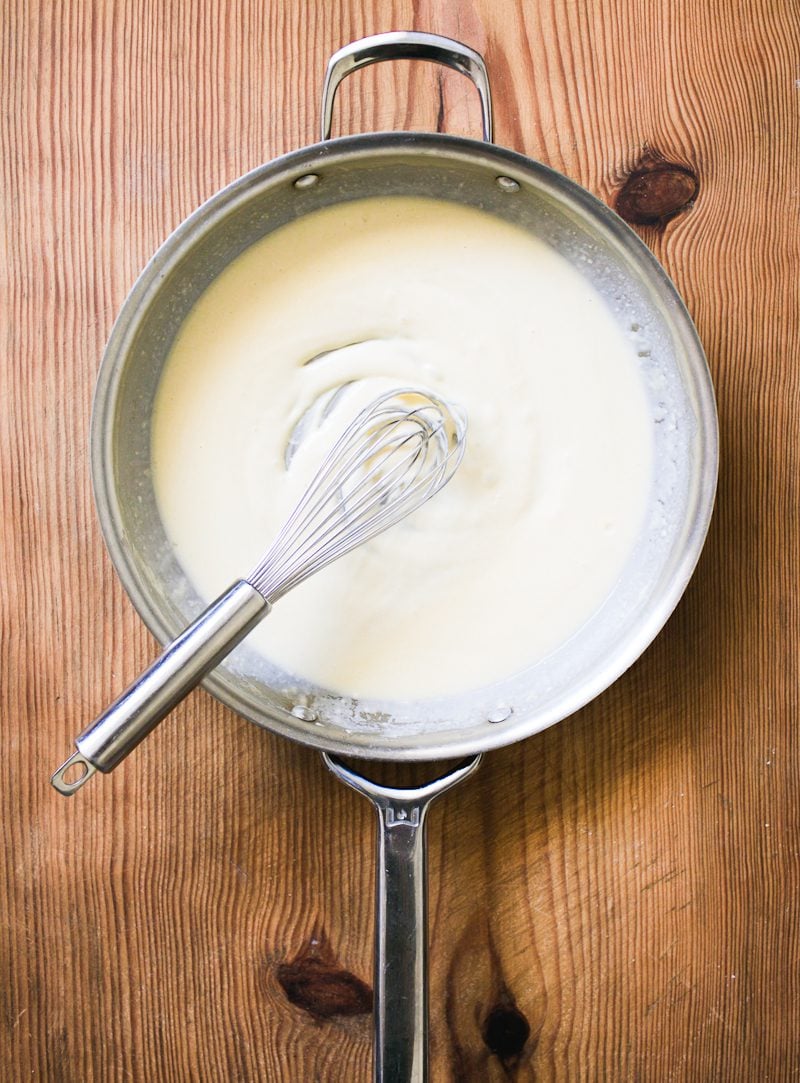
Perfect Béchamel: Simple Steps for a Classic 3-Ingredient White Sauce
There are certain foundational recipes that every home cook benefits from mastering, and at the top of that list sits Béchamel sauce. This elegant, creamy concoction, often referred to as a "mother sauce" in classical French cuisine, is surprisingly simple to prepare using just three basic ingredients. If you've ever wondered how to make bechamel sauce white sauce from scratch, you're in the right place. Forget those ready-made packets; the true magic happens when you craft this versatile staple yourself, opening up a world of culinary possibilities.
From enriching a comforting lasagna to forming the base of a decadent cheese sauce for your mac 'n' cheese, Béchamel is a true kitchen workhorse. Its smooth texture and subtle flavor provide the perfect canvas for countless dishes. This guide will walk you through each step, ensuring you achieve a flawless, lump-free white sauce every time.
What is Béchamel and Why is it a Kitchen Essential?
Béchamel sauce holds a revered spot in the culinary world, one of the five original French "mother sauces" (sauces mères). Its origins trace back to the French court in the 16th century, though its exact creator remains a charming historical debate. What's undisputed is its enduring legacy as a foundation for countless other sauces and dishes.
At its core, Béchamel is a simple white sauce made from a roux (a cooked mixture of butter and flour) and milk. Its beauty lies in its neutrality and adaptability. While sauces like Velouté are also considered white sauces and share a similar roux-based beginning, Velouté uses white stock (chicken, fish, or vegetable) as its liquid, whereas Béchamel exclusively uses milk or cream. This distinction gives Béchamel its characteristic creamy texture and subtle richness.
Mastering this fundamental sauce is akin to learning the alphabet before writing a novel. Once you've perfected how to make bechamel sauce white sauce, you'll unlock the ability to effortlessly create a dizzying array of derivatives. Think Mornay sauce (Béchamel with cheese), various herb sauces, mushroom sauces, or even a creamy base for curries. It truly is one of the most versatile sauces you can have in your repertoire, making it an indispensable skill for any aspiring chef or passionate home cook.
The Simple Magic: Your 3 Essential Béchamel Ingredients
The beauty of Béchamel lies in its simplicity. You only need three humble ingredients to create this rich, creamy foundation. While the quantities can be scaled up or down, the ratio remains constant: equal parts butter and flour by weight, combined with milk.
- Unsalted Butter: This forms the fat component of your roux. We recommend unsalted butter so you have complete control over the final seasoning of your sauce. Butter lends a lovely richness and flavor that oils simply can't replicate. While you *could* use oil, butter is traditional and superior for Béchamel.
- All-Purpose Flour: The binding agent! Regular all-purpose flour is what creates the roux, thickening the milk into a silky sauce. The starch in the flour gelatinizes as it cooks, giving Béchamel its characteristic body. Using fresh flour ensures optimal thickening power.
- Whole Milk: For the classic, creamiest Béchamel, whole milk is your best friend. Its higher fat content contributes to a richer mouthfeel and a more luxurious texture. While you *can* use skim or semi-skimmed milk, the resulting sauce will be thinner and less flavorful. For an extra indulgent sauce, consider using a mixture of whole milk and heavy cream, or even just heavy cream for ultimate decadence.
The standard ratio for a medium-thick sauce is often 1:1:10 (butter:flour:milk by weight). For example, 50g butter, 50g flour, and 500ml (approx. 500g) milk. This creates a balanced white roux that can be easily adjusted with more or less milk to achieve your desired consistency.
Step-by-Step Guide: How to Make Béchamel Sauce White Sauce Like a Pro
Making a perfect Béchamel is more about technique than complexity. Follow these steps carefully, and you'll be rewarded with a velvety smooth sauce every time.
Step 1: Crafting the Perfect White Roux (Fat + Flour)
The roux is the heart of your Béchamel. It provides both the thickening power and a subtle nutty flavor if cooked correctly.
- Melt the Butter: Begin by melting your unsalted butter in a heavy-bottomed saucepan over medium-low heat. The key here is gentle melting; you don't want the butter to brown or burn. A browned butter will give your Béchamel a darker color and a nutty, rather than neutral, flavor – great for some sauces, but not for a classic white Béchamel.
- Add the Flour: Once the butter is fully melted and shimmering, add the all-purpose flour all at once.
- Whisk to Combine: Immediately grab a whisk (or a wooden spoon, as suggested in the reference, but a whisk is often better for smoothness) and vigorously mix the flour into the butter. It will quickly form a thick paste. This paste is your roux.
- Cook the Roux: Continue to cook the roux for 1-2 minutes, stirring constantly. This crucial step cooks out the raw flour taste, which can otherwise make your sauce taste pasty or unpleasantly starchy. For a white Béchamel, ensure the roux remains a pale, creamy color – avoid letting it toast or brown. It should smell slightly biscuity, not burnt.
Step 2: Gradual Milk Incorporation for Silky Smoothness
This is where patience pays off. Adding the milk correctly is the secret to a lump-free Béchamel.
- Warm Milk (Optional, but Recommended): While not strictly necessary, gently warming your milk in a separate pan or the microwave before adding it can help prevent lumps and speed up the thickening process. Cold milk can cause the roux to seize and create lumps, though vigorous whisking can usually overcome this.
- Add Milk in Stages: This is the most critical step. Remove the saucepan from the heat briefly. Pour in a small splash of your whole milk (about a quarter cup at a time).
- Whisk Vigorously: Immediately and continuously whisk the mixture until the milk is fully incorporated and the sauce is smooth and thick again. It might look like a very thick paste at first, almost like pancake batter.
- Repeat: Continue adding milk in small increments, whisking thoroughly after each addition until completely smooth. You'll notice the sauce gradually thinning out and becoming more fluid. This gradual addition allows the starch granules to swell evenly without clumping, ensuring a velvety texture. Trust the process; it will come together beautifully. You can return the pan to low heat as you continue adding milk to maintain warmth, but ensure you keep whisking.
Don't rush this stage. It might take 5-7 minutes to incorporate all the milk. The sauce will tell you when it's ready for more. For more depth on achieving perfect consistency, you might find Master Easy Béchamel: Your Guide to Versatile White Sauces a helpful read.
Step 3: Simmering to Perfection and Seasoning
Once all the milk is incorporated, you're almost there!
- Simmer and Thicken: Return the saucepan to medium-low heat and continue to whisk gently but consistently. Bring the sauce to a gentle simmer, allowing it to bubble lightly for 2-3 minutes. This final simmer ensures the flour is fully cooked, eliminating any remaining raw taste, and allows the sauce to reach its final desired thickness. It should be thick enough to coat the back of a spoon.
- Seasoning: Remove the Béchamel from the heat. Season generously with salt. A pinch of white pepper is traditional for its subtle spice without visible flecks. Freshly grated nutmeg is also a classic addition, lending a warm, aromatic note that beautifully complements the creamy sauce. Taste and adjust seasonings as needed.
Troubleshooting Tip: Lumps? If, despite your best efforts, you end up with a few stubborn lumps, don't despair! You have a couple of options: either pass the sauce through a fine-mesh sieve or use an immersion blender directly in the pot until perfectly smooth.
Beyond the Basics: Elevating Your Béchamel and Common Uses
Now that you know how to make bechamel sauce white sauce, the real fun begins! This humble sauce is the starting point for so many incredible dishes.
Mastering Variations:
- Mornay Sauce (Cheese Sauce): The most popular derivative! Simply stir in your favorite grated cheese (Gruyère, Cheddar, Parmesan, or a blend work wonderfully) into the warm Béchamel until melted and smooth. Season with a touch of mustard powder or a dash of hot sauce for extra zing. This is perfect for mac and cheese, gratins, or even a simple grilled cheese upgrade.
- Mustard Sauce: Stir in a tablespoon or two of Dijon mustard for a piquant, flavorful sauce that pairs well with ham, fish, or potatoes.
- Herb Sauce: Add finely chopped fresh herbs like parsley, chives, tarragon, or dill at the very end for a vibrant, fresh flavor.
- Mushroom Sauce: Sauté finely diced mushrooms and then stir them into your finished Béchamel for a rich, earthy sauce.
- Curry Sauce: Whisk in a tablespoon of curry powder and cook briefly with the roux before adding milk, or stir it into the finished Béchamel for a creamy, mild curry base.
- Gorgonzola Sauce: For a more adventurous palate, crumble in some Gorgonzola cheese for a pungent, creamy sauce ideal for pasta or steak.
Classic Applications:
Béchamel's versatility shines in its myriad applications:
- Lasagna: A crucial layer in traditional Italian lasagna, providing moisture and richness.
- Gratins: The binding agent for creamy potato gratin (Grating Dauphinoise), vegetable gratins, or seafood bakes.
- Mac and Cheese: The base for the ultimate comfort food when transformed into a Mornay sauce.
- Croque Monsieur/Madame: Essential for these classic French ham and cheese sandwiches.
- Creamed Spinach: A rich and savory side dish.
- Casseroles: Thickens and enriches countless casseroles, from tuna noodle to chicken pot pie fillings.
Exploring the full potential of this mother sauce can truly transform your cooking. For further exploration into its adaptable nature, check out The Versatile Béchamel: Crafting Your Creamy White Mother Sauce.
Conclusion
Mastering Béchamel sauce is a rite of passage for any cook, and as you've seen, learning how to make bechamel sauce white sauce is a straightforward process requiring just three ingredients and a little patience. From its humble origins in French court kitchens, this "mother sauce" has become a cornerstone of global cuisine, capable of transforming simple dishes into extraordinary culinary experiences. With your newfound skill, you're now equipped to create a delicious, creamy foundation for everything from comforting casseroles to elegant gratins and rich cheese sauces. Practice makes perfect, so don your apron and get ready to whisk your way to culinary success!
