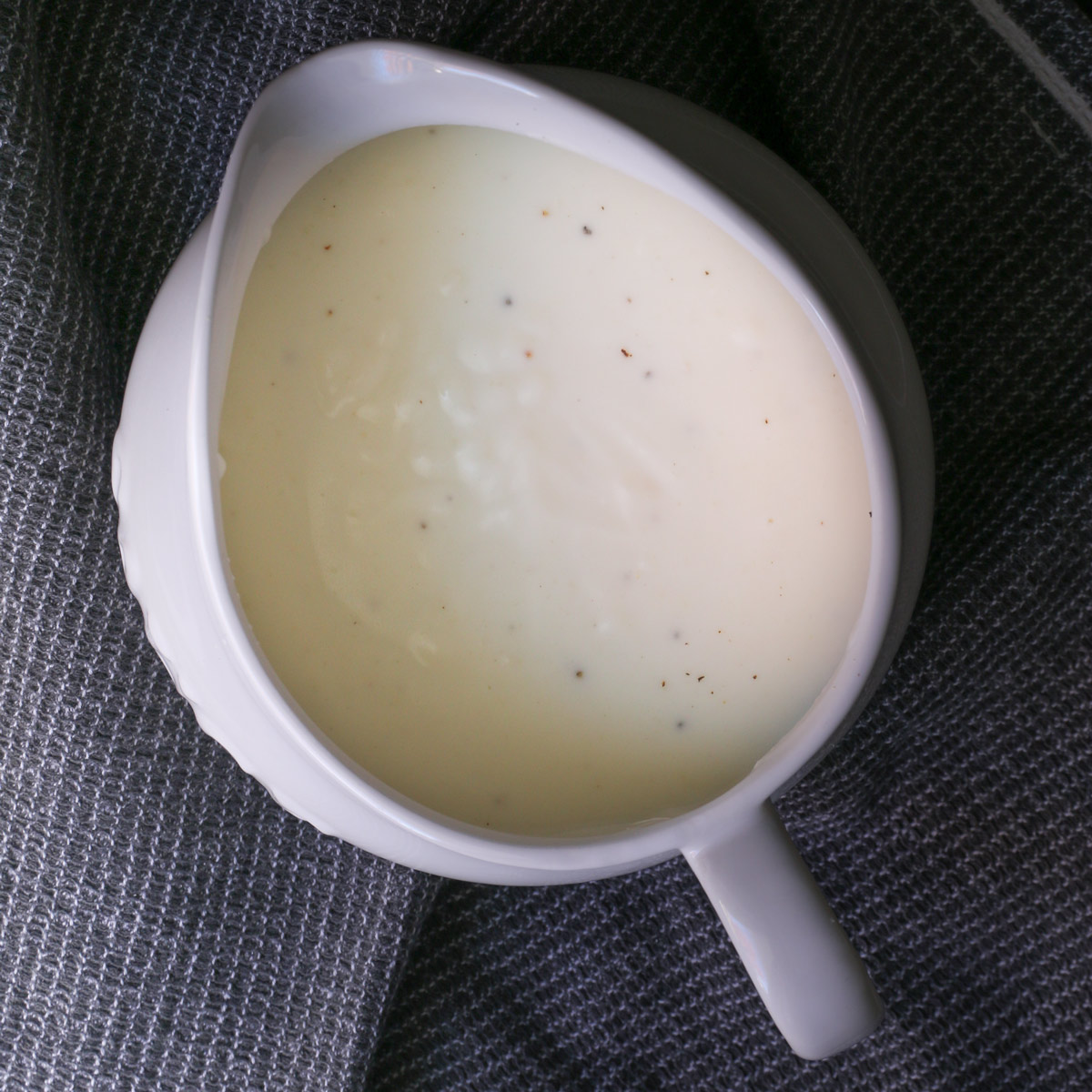
The Culinary Cornerstone: Mastering Béchamel, Your Ultimate White Sauce Guide
Imagine a single, creamy sauce that holds the key to countless delectable dishes, from the heartiest lasagna to the silkiest gratins. That's the magic of Béchamel, a foundational "mother sauce" in classical cuisine. If you've ever wondered how to make bechamel sauce white sauce, you're in the right place. This comprehensive guide will demystify the process, turning what seems like a gourmet endeavor into an easy, everyday skill. Mastering this simple yet profound white sauce will unlock a world of culinary creativity, transforming ordinary ingredients into extraordinary meals. Often perceived as complex, a classic Béchamel requires just three humble ingredients and a few straightforward steps. Once you've conquered this basic technique, you'll understand why it's considered one of the most versatile sauces in a cook's repertoire, ready to be infused with cheese, herbs, spices, or other flavors to suit any palate.The Timeless Appeal of Béchamel: More Than Just a White Sauce
The story of Béchamel sauce dates back to 16th-century France, where chefs at the royal court concocted this rich, creamy white sauce. It quickly rose to prominence, earning its place among the five fundamental "mother sauces" (sauces mères) of French gastronomy. These mother sauces are so named because they serve as the base from which an entire family of derivative sauces can be created. While you can find ready-made Béchamel bases in sachets today, nothing compares to the fresh, nuanced flavor and perfect texture of a homemade version. The beauty of Béchamel lies in its inherent versatility. It's the silent hero in dishes like comforting macaroni and cheese, the binding agent in a luscious vegetable gratin, and the creamy foundation for the iconic lasagna. Beyond these classics, a simple Béchamel can be transformed into a vibrant curry sauce, a savory mushroom sauce, or a decadent Gorgonzola cream sauce with just a few additional ingredients. This adaptability makes learning how to make bechamel sauce white sauce an invaluable skill for any home cook. For a deeper dive into its many forms, explore The Versatile Béchamel: Crafting Your Creamy White Mother Sauce.Why You'll Love This Recipe
- Simplicity: Only three core ingredients are needed.
- Creamy Texture: Achieves a wonderfully smooth, rich consistency.
- Incredible Versatility: The ultimate base for countless other sauces and dishes.
- Fresh Flavor: Far superior to any store-bought alternative.
- Quick to Master: The technique is easy to grasp even for beginners.
Essential Ingredients: The Foundation of a Perfect Béchamel
Crafting a superb Béchamel begins with selecting quality ingredients. While the list is short, each component plays a crucial role in achieving that signature creamy texture and subtle flavor.Quality Matters: Choosing Your Components
- Unsalted Butter: This is your fat base. Using unsalted butter allows you to control the overall saltiness of your final sauce. It also minimizes the risk of the butter browning too quickly, which would alter the color and flavor of your delicate white sauce.
- All-Purpose Flour: The thickening agent. Flour, when combined with butter, creates what's known as a "roux," the essential binding factor for your sauce. Regular all-purpose flour works perfectly here, providing the structure needed for a smooth, stable Béchamel.
- Milk (Whole Milk Recommended): The liquid component. For the richest, creamiest Béchamel, whole milk is highly recommended. Its higher fat content contributes significantly to the sauce's luxurious mouthfeel. While it's possible to use semi-skimmed or even skimmed milk, the resulting sauce will be thinner and less flavorful. For an ultra-indulgent sauce, you can substitute a portion of the milk with heavy cream, or use cream entirely.
Chef's Tip for Flavor Infusion: For an added layer of traditional French flavor, consider infusing your milk before adding it to the roux. Gently heat your milk with half an onion (studded with a bay leaf and a few whole cloves), a pinch of black peppercorns, and maybe a touch of nutmeg. Simmer gently for 10-15 minutes, then strain out the aromatics before using the infused milk in your Béchamel.
Step-by-Step Mastery: How to Make Béchamel Sauce White Sauce
Learning how to make bechamel sauce white sauce is a fundamental cooking skill. Follow these steps carefully, and you'll be whisking up perfect white sauces in no time.Phase 1: Crafting the Roux – The Heart of Your Sauce
- Step 1: Melt the Butter Gently. Take a small to medium-sized heavy-bottomed saucepan. Place it over medium-low heat. Add your unsalted butter and allow it to melt slowly and completely. The key here is not to rush; you want melted butter, not browned butter, which would turn your sauce dark and impart a nutty flavor. Gently swirl the pan or stir with a wooden spoon to ensure even melting.
- Step 2: Add the Flour and Create Your Roux. Once the butter is fully melted, immediately add an equal amount of all-purpose flour. For example, if you used 50 grams (or roughly 1/4 cup) of butter, use 50 grams (or roughly 1/4 cup) of flour. Using a wooden spoon or a whisk, mix the flour thoroughly into the melted butter. It will quickly form a thick paste.
- Step 3: Cook the White Roux. Continue stirring this butter-flour mixture (your "white roux") constantly for 1 to 2 minutes. This step is crucial for cooking out the raw flour taste, which can otherwise make your sauce taste pasty or chalky. Ensure the roux remains pale; you're not aiming for a golden or brown roux, as this is for a white sauce. The constant stirring prevents browning and ensures even cooking.
Phase 2: Achieving Creamy Perfection – Gradual Milk Incorporation
- Step 4: Begin Adding Milk (The "Splash and Whisk" Method). Remove the saucepan from the heat briefly, or reduce the heat to very low. Gradually add a small splash of cold or room-temperature whole milk (about 1/4 to 1/2 cup) to the hot roux. Immediately and vigorously whisk the mixture. At first, it will become very thick and lumpy, but keep whisking! The roux will absorb the milk and begin to smooth out. Continue whisking until the mixture is completely smooth and thickened again.
- Step 5: Continue Gradual Milk Addition. Return the saucepan to low heat if you removed it. Continue adding the remaining milk in small increments (about 1/2 to 1 cup at a time), whisking continuously and thoroughly after each addition. Allow each portion of milk to be fully absorbed and the sauce to thicken before adding the next. This gradual process is essential for preventing lumps and achieving a silky-smooth sauce. You'll get a feel for the consistency; the sauce will thicken, then loosen with each addition. This typically takes about 3-5 additions, depending on your total milk volume.
- Step 6: Simmer to Desired Consistency and Season. Once all the milk is incorporated and the sauce is smooth, increase the heat to medium-low and bring the Béchamel to a gentle simmer. Continue to whisk occasionally as it simmers, allowing it to cook and thicken further for about 5-10 minutes. The sauce should coat the back of a spoon. If you run your finger across the spoon and it leaves a clean line, your Béchamel is perfectly cooked.
- Step 7: Seasoning. Finally, remove the sauce from the heat and season generously with salt and a pinch of white pepper. A traditional touch is to add a tiny grating of fresh nutmeg, which beautifully complements the creaminess. Taste and adjust seasonings as needed.
For more detailed visuals and a slightly different approach, check out Perfect Béchamel: Simple Steps for a Classic 3-Ingredient White Sauce.
Elevate Your Béchamel: Tips for Success & Versatile Applications
Now that you've learned how to make bechamel sauce white sauce, let's refine your technique and explore its endless possibilities.Troubleshooting & Expert Tips
- Dealing with Lumps: If, despite your best efforts, your Béchamel develops lumps, don't despair! You have a couple of options. You can vigorously whisk the sauce off the heat to try and smooth them out, or, for a guaranteed silky texture, pass the entire sauce through a fine-mesh sieve.
- Adjusting Consistency:
- Too Thick? Whisk in a little more warm milk until it reaches your desired consistency.
- Too Thin? Return the sauce to a gentle simmer and cook, whisking occasionally, until it reduces and thickens. If it's still too thin after a few minutes, you can make a small slurry of a teaspoon of flour or cornstarch mixed with an equal amount of cold milk or water. Whisk this into the simmering Béchamel and cook for another minute or two until thickened.
- Preventing a Skin: Béchamel can form a skin on top as it cools. To prevent this, place a piece of plastic wrap directly onto the surface of the hot sauce. Alternatively, whisk in a knob of butter on top just before serving.
- Making Ahead: Béchamel can be made a day or two in advance and stored in the refrigerator. Reheat gently over low heat, whisking constantly, and add a splash of milk if needed to restore its original consistency.
Beyond the Basic: Transforming Your White Sauce
The true power of knowing how to make bechamel sauce white sauce lies in its potential for transformation. Here are just a few ideas to get you started:
- Mornay Sauce: The most famous Béchamel derivative! Simply stir in a generous amount of grated cheese (Gruyère, Cheddar, Parmesan, or a blend) until melted and smooth. Perfect for gratins, croque monsieur, or mac and cheese.
- Mustard Sauce: Whisk in a tablespoon or two of Dijon mustard or whole-grain mustard for a tangy, flavorful sauce ideal for pork, chicken, or vegetables.
- Curry Sauce: Sauté some curry powder and other spices with the butter and flour before adding milk, or simply stir in prepared curry paste to the finished Béchamel.
- Mushroom Sauce: Sauté finely diced mushrooms and fold them into your finished Béchamel. A touch of fresh thyme also works wonders here.
- Gorgonzola Sauce: Crumble in some tangy Gorgonzola cheese into the hot Béchamel until it melts. Fantastic with pasta or steak.
- Creamed Vegetables: Use Béchamel as the base for creamed spinach, green bean casserole, or creamed onions.
- Lasagna & Moussaka: An indispensable layer in these classic baked dishes, providing moisture and richness.
